Mindvideo

Video concept guide

Build a video concept with mindvideo ai creative studio

Start with a subject, a visual direction, and one action you want the viewer to see. This guide helps you prepare a useful request for Mindvideo without assuming that every creation tool or setting is available.

Check available tools after opening
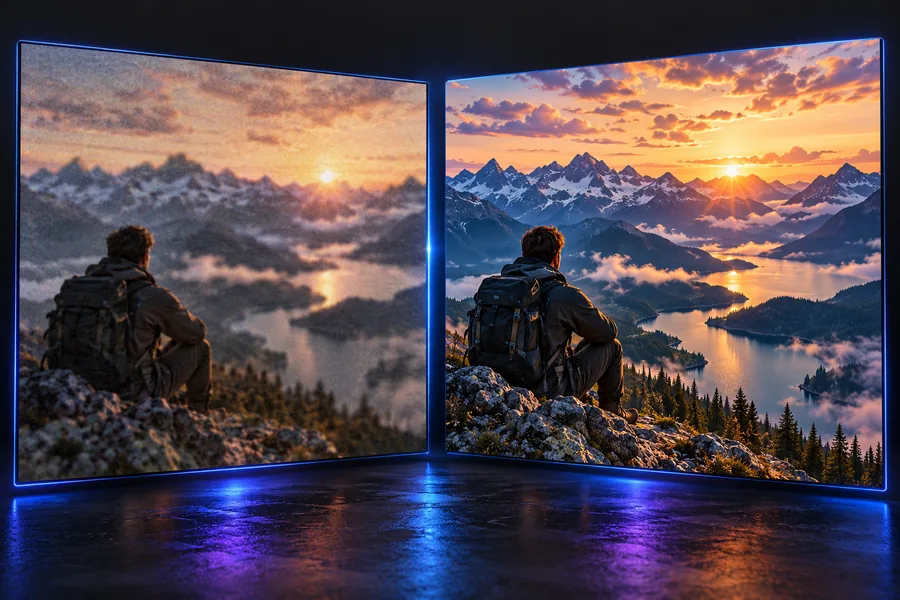
Mindvideo landing visual introducing AI video creation

Prerequisites

Before using a creative studio workflow, decide what source material you have and what a successful clip needs to communicate.

Product marketer

You have a product photograph but no motion footage. Prepare a brief that keeps the object recognizable while adding a simple camera move.

A focused image-led concept is easier to evaluate than a broad request for an advertisement. For the source-photo route, see mindvideo ai image to video.

mindvideo ai image to video

Social creator

You want a short visual hook for a post. Write down the setting, subject, and single moment that should change on screen.

The brief gives Mindvideo a clear creative direction before you consider polish. For work on existing footage, see mindvideo ai enhancer.

mindvideo ai enhancer

Photographer

You want to test whether a still portrait could support subtle motion. Choose the features that must stay consistent, such as clothing and framing.

You have a concrete standard for reviewing the result. The mindvideo ai image to video guide covers the still-image starting point.

mindvideo ai image to video

Video editor

You already have a rough clip and want to improve its presentation. Identify the specific defect before looking for a creation workflow.

You can distinguish generating a new scene from improving footage you already own. The mindvideo ai enhancer page explains that distinction.

mindvideo ai enhancer

One full run-through

Here is a concept-to-review workflow, not a promise that a particular control appears on the destination site.

Write a constrained brief

Describe a café cup on a rainy table, with a slow push-in and warm reflections. Specify that the cup stays in frame and that no text appears. Keep the request to one scene rather than combining several camera moves.

Check the available input

Open the destination and look for the creation path it actually offers. If a prompt field is available, use the brief; if you must re-enter it, copy the example first. If the path accepts an image, use one you have permission to upload.

Review against the brief

Watch for a stable cup shape, a believable camera move, and unwanted writing. Change one instruction at a time if you try another version. Mindvideo results should be judged against the intended scene, not just whether they look striking at first glance.
What fails

A creative studio brief cannot fix every problem. These are reasons to revise the source, request, or workflow before trying again.

A vague scene

“Make it cinematic” does not identify a subject, movement, or visual priority. An attractive result can still miss your purpose.

WorkaroundName one subject, one action, and one camera or lighting cue.

Too many changes at once

Asking for several locations, costumes, and actions makes it difficult to tell which instruction caused an unwanted result.

WorkaroundTest one scene first, then revise a single element.

Exact identity or text requirements

A generated scene may alter small product details, faces, or lettering. Do not assume a visual match is accurate enough for publication.

WorkaroundInspect important details closely and use conventional editing for text or other exact elements.

Unverified destination controls

This page cannot guarantee a particular model, export format, duration, or setting on the site reached through the action button.

WorkaroundCheck the controls and terms shown there before committing to a production plan.

Options table

Use the panels as a decision guide: choose the starting material that matches your task, then verify that the corresponding route is available.

Start from a scene description

This suits an idea that has no source image or footage yet. Describe what appears, what moves, and how the shot should feel. Mindvideo can only follow the brief you provide, so leave out conflicting directions.

  • Best input: a short, specific scene brief
  • Review priority: composition and action
  • Fallback: simplify the scene if the first result drifts

Start from a picture you can use

Choose this approach when a product, portrait, or composition should remain recognizable. Specify restrained motion and check whether the available Mindvideo workflow accepts your image before uploading it.

  • Best input: a clear image with a defined subject
  • Review priority: consistency of key details
  • Fallback: try a simpler crop or gentler motion

Start from footage that needs attention

If your scene already exists, generating a replacement may be the wrong task. Identify the visual issue first, then look for a suitable enhancement or editing path rather than assuming the creative studio creates a faithful repair.

  • Best input: footage you are entitled to edit
  • Review priority: whether the original content is preserved
  • Fallback: use a conventional editor for precise corrections

Check the visual direction

These two review passes help separate a promising concept from a clip that is ready to use.

Mindvideo feature visual illustrating a video concept

01

Read the scene before the style

First check whether the intended subject and action are visible. In the café example, the cup should remain the focus while the camera moves. If the scene is wrong, extra style words will not solve the underlying problem. Revise the Mindvideo brief around the missing action.

  • Is the subject immediately identifiable?
  • Does the shot contain the requested action?
Mindvideo feature visual for reviewing a generated scene

02

Inspect details at full attention

Then look for shifting shapes, unexpected objects, or text you did not request. A creative studio result can work as an exploratory draft even when it needs another attempt before publication. Keep a note of the specific failure so your next request addresses it.

  • Compare important details with the source
  • Make one targeted change per new attempt

Take the concept further

Bring a clear scene brief to the creation tool

Use your subject, action, and visual priorities as a checklist when you explore the available Mindvideo creation path. Confirm its current inputs and controls on the destination site before you start.

  • Keep the first scene simple
  • Review the result against your brief
  • Verify available controls on the destination

FAQ

Prepare a short description of your subject, its action, and the visual style you want. If you intend to use a picture or clip, make sure you have the right to upload it and check which inputs the destination accepts.

A photograph can give a video concept a clearer subject and composition. Whether the current creation path accepts an image must be verified on the destination site; this guide does not guarantee an upload option.

Write one scene with a recognizable subject and a single movement, then add one camera or lighting cue. Avoid requests that combine several locations or contradictory actions, because they make the result harder to assess.

Do not count on generated visuals to reproduce lettering or small details exactly. Inspect anything that matters to your brand or message, and use a conventional editor where precise text or corrections are required.

Start creating
Start creating