Choose the starting material
Write a scene description or select an image if the tool accepts one. State the subject, action, setting, and visual style clearly instead of assuming the system knows what you mean.
Plain-English guide
Mindvideo is a guide to AI video creation: starting with an idea, choosing a suitable input, reviewing the result, and deciding whether it meets your needs. The name alone does not establish what a particular app supports, so check the tool you open before relying on a feature.

Mindvideo helps explain the path from a video idea to a result you can review; it is not a specification for every tool linked from this site.
The workflow depends on the tool, but these three decisions make a useful starting point.
Write a scene description or select an image if the tool accepts one. State the subject, action, setting, and visual style clearly instead of assuming the system knows what you mean.
Decide whether you need a moving concept, a short social clip, or footage for a larger edit. Check the available controls and restrictions in the actual tool before submitting material.
Inspect motion, continuity, text, and likenesses. If the result misses the brief, revise the input or use conventional editing rather than treating the first output as finished.
These pages separate the app question from specific ways to start a video.
Compare what an app label tells you with the capabilities you still need to verify.
See how a still image can serve as the starting point for a motion brief.
Explore the different planning choices involved in starting with written scene instructions.
Mindvideo can clarify a workflow, but this informational page cannot verify the behavior of a separate product on your behalf.
A video tool may accept text, images, or both, and its available settings can change. A feature mentioned in a general guide is not proof that the tool you open offers it.
WorkaroundCheck that tool's current input options and documentation.
Generated motion can introduce inconsistent objects, distorted details, or an action that differs from your instructions.
WorkaroundReview the entire clip and plan time for revision or editing.
Whether you may publish an output depends on the tool's terms and on the rights attached to any material you supplied.
WorkaroundRead the applicable terms and use material you have permission to provide.

01
A useful video brief describes what a viewer should see, not just the mood you want. For example, identify the subject, the action, and the camera viewpoint. That gives you concrete details to compare with the result.
02
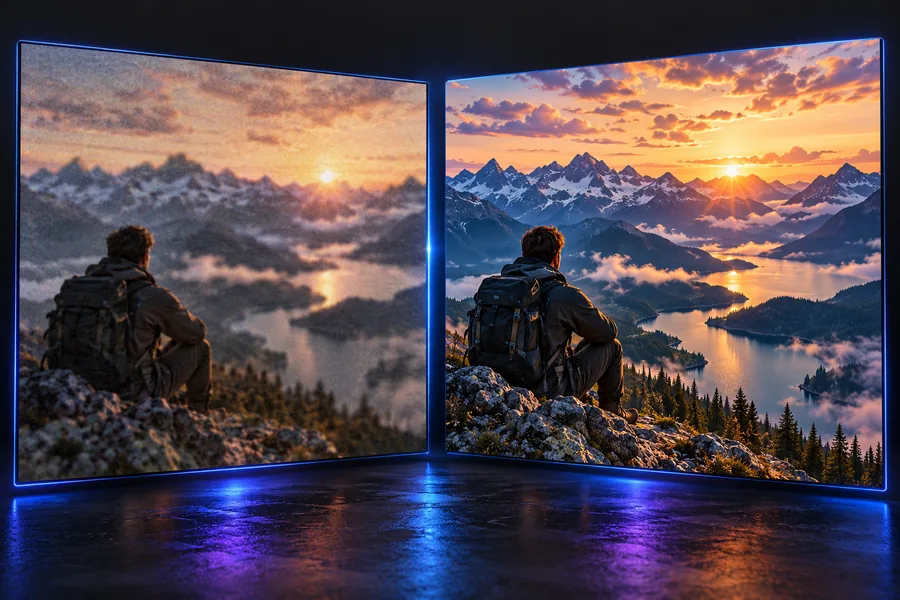
An attractive frame does not guarantee convincing motion. Watch for changes in hands, faces, backgrounds, and object positions from one moment to the next. Mindvideo encourages reviewing the sequence before deciding where it belongs in a larger project.
People approach AI video with different goals. The useful question is whether a result fits the task, not whether one workflow suits everyone.
A creator can use a rough moving concept to discuss pacing and framing before committing to production. It remains a reference, not a substitute for checking the final footage.
A team can compare visual directions for a short message. Brand accuracy, permissions, and publication standards still require human review.
Someone new to AI video can learn how inputs, generation, and review fit together before choosing a tool or supplying personal material.
Use the Mindvideo checklist as you evaluate a tool: confirm its inputs, inspect its current terms, and review any result before sharing it.
The phrase can refer to someone's search for an AI video app rather than a precise set of product features. This Mindvideo page explains the basic creation workflow and the checks to make when evaluating a tool. Verify the capabilities of the specific product you open.
This Mindvideo site is an informational guide, not an editor on this page. Its links can take you to a separate video product. Review that product's interface and terms to learn what editing options it currently provides.
Not necessarily. Some workflows begin with written instructions, while others use an image as a starting point. The inputs available to you depend on the specific tool, so check before preparing your material.
Review it first for visual errors, misleading details, and material you may not have permission to use. Publication rights and restrictions depend on the tool's terms and the inputs involved. A generated result is not an automatic clearance for public or commercial use.